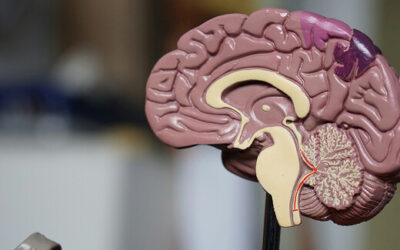
This research was conducted by the Center for BrainHealth at the University of Texas at Dallas and was published Wednesday in the online open-access journal Frontiers in Neurology. While the fastest recovery occurs in the first six months following trauma, specific TBI programs can be applied to achieve continued improvements as the new experiment shows. The study enrolled, 20 adolescents aged 12 to 20 years, who had suffered TBI at least six months prior to participating in the research. The participants were exhibiting gist-reasoning deficits, which is the inability to extract relevant meaning from complex information. Gist reasoning is deeply associated with cognitive abilities, such as working memory, which involves holding pieces of temporary information and changing them, as in mental arithmetic and the ability to filter out useless information.

Study Highlights Gaps in Access to Concussion Care
A new study published in The Journal of Pediatrics explores how children from different backgrounds may experience unequal access to concussion care. The study, “The Leaky Pipeline of Injury: Disparities at Multiple Junctures for Children with Head Trauma,” examined...