Ok, let’s be realistic. We’re living in some turbulent times! I try to find the balance between being informed and being overwhelmed.
It seems like a simple response to every situation should be “Just learn to get along. How about a little give and take?” I’m dismayed at how deep the division is becoming as left verses right. The “us” versus “them” mentality are totally shaking the very foundations of our society.
I’m finding it necessary and helpful to take long walks in quiet places. I’m setting up coffee dates with my favourite positive people. There’s something about spending time with babies and toddlers too, that reminds me of sweet innocence and it’s all soul nourishing.
During my early days post injury with the BrainTrust support group, I’m not sure I was able to process a lot of the information presented. Fatigue and pain undermined my ability to focus. Thankfully, I kept those handouts and have read them numerous times since then, finding them to be helpful resources.
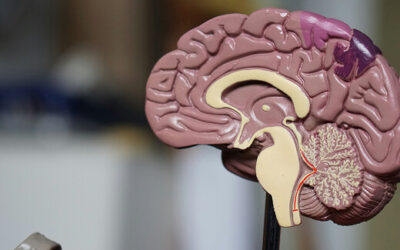
Our brains really are magnificent! Consider the fact; we have a left and right side to our brain. Fibers connect homotopic areas (identical regions on both sides) to ensure they work in sync. Communication can be excitatory, stimulating the other side to cooperate, or inhibitory where one side suppresses the other to prevent interference during highly lateralized tasks. We’re all familiar with the term Neuroplasticity – the brain’s ability to reorganize its structure in response to damage. Surviving neurons grow new branches (axons) to form new connections, bypassing the damaged tissue.
When we consider making changes in 2026, taking on new challenges, rather than referring to them as New Year’s Resolutions, maybe we could phrase it like this: “Today, I identified my need for a new neural pathway. (a.k.a. a habit)”
There is an interesting parallel between my brief lesson on neurology and our current political state! When we consider the very nature of how our brains work so magnificently between right and left hemispheres to sustain life, there’s hope that bipartisan agreements will lead us to find common ground and a brighter future.
Here’s world peace!
Deb