BRAINSTREAMS 5 Blog 5 New Online Course Helps IPV Responders Recognize and Respond to Brain Injury

Sep 13, 2026

New Online Course Helps IPV Responders Recognize and Respond to Brain Injury

by

Brain injury is far more common in situations of intimate partner violence than most people realize. Around 230,000 women in Canada experience severe physical violence from a partner every year, and as many as 92% report blows to the head and face. Yet these injuries so often go unrecognized, undiagnosed, and untreated.

A newly updated, free online course is helping change that. CATT for Intimate Partner Violence Responders equips people who work with survivors, in any capacity, with an evidence-based approach to recognizing and responding to concussion and brain injury.

New in this update: content on hypoxic/anoxic brain injury from strangulation or suffocation, more inclusive language, and added guidance for survivors on seeking safety and support. It was developed in collaboration with Karen Mason at Supporting Survivors of Abuse and Brain Injury through Research (SOAR), and Dr. Shelina Babul of BC Injury Research and Prevention Unit with funding from the Public Health Agency of Canada.

This is also just the first step. Sector-specific submodules for gender-based violence workers, law enforcement, child protection workers, and medical professionals are in development, expected in 2027.

If you work with survivors of IPV in any capacity, this training is free and worth your time. https://cattonline.com/blog/new-course-for-ipv-responders
Related Posts

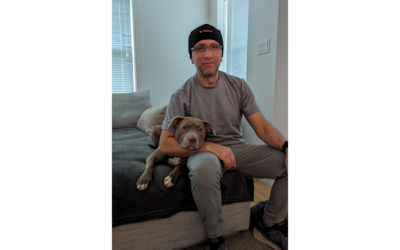
Polytrauma by James Wanless

Polytrauma by James Wanless

I went out for a bit of a joyride on the afternoon of Sunday, April 14th, 2024. I planned to be out for an hour or two at most. Beyond that it was a pretty unremarkable day – clear and cool for spring in Vancouver.

I was heading east on Rumble Street in southwest Burnaby, when a driver heading west turned left across my path. As he did so, he hit me at roughly 50km/hr, which was fast enough to throw me into the windshield, and up over the roof of the car, landing on the pavement about ten feet behind it.

I remember the car coming to a stop diagonally, pointing away from me. I also remember everything slowing down in the split-second of the crash. As the driver took my bike out from under me and I flew into the windshield, it was like an out-of-body experience. The crunch of my body hitting glass, the thud of it collapsing on the pavement.

read more
How Age May Shape Recovery After Brain Injury

How Age May Shape Recovery After Brain Injury

We often hear that younger brains recover better after a brain injury because they are more adaptable. But new research suggests that age may affect recovery in more complicated ways. A study published in Experimental Neurology looked at how younger and older mice...

read more
Translate »